
Introduction
Learning how to play 3 Patti Pearl means reading the lobby, understanding a basic hand loop, and pacing sessions so you can think. This page assumes install and login already work. It is written for Android beginners in Pakistan who want a clear first-week rhythm rather than a myth about secret pro settings. Nothing here claims fixed wins, private tables, or guaranteed profit from “playing correctly.”
Teen Patti-style apps reward attention more than frantic tapping. Your first advantage is not a hidden boot control — it is choosing one mode, learning what pack and chaal mean in practice, and leaving before fatigue invents hero calls. Keep early sessions short. Treat the lobby like a map: balance, bonus area, game modes, and utility icons each deserve a look before you sit.
If rankings still feel fuzzy, pair this page with the rules article soon. How-to-play focuses on flow and habits; rules focus on hand strength language. Together they reduce expensive confusion. Separately, tips cover bankroll and tilt once the buttons make sense.
Lobby Flow for New Players
After login, pause on the lobby. Note your balance display, where events or bonuses appear, and which game tiles are offered in your version. Avoid opening every HOT badge on day one. Pick a single lower-pressure mode for the first practice block. If menus differ slightly by update, match meanings rather than memorizing one screenshot forever.
- Scan balance and bonus entry points before sitting
- Choose one mode to learn first
- Ignore the urge to sample every event tile immediately
- Keep a time limit before the first hand begins
- Use Wi‑Fi for focused practice when possible
Hand Basics Without Myths
A typical hand revolves around three-card strength, turn order, and decisions to continue, pack, or show when the mode allows. Exact labels vary, yet the quality questions repeat: What do I know? What does the pot ask of me? Am I acting from information or from irritation? Blind and seen style choices, where present, change information cost — read the on-screen prompts instead of assuming a house rule from a different app.
Packing is not failure. Beginners who never pack often pay for curiosity with their full stack. Chaaling every street because the animation feels exciting is likewise expensive. Show timing matters when comparison is available; forcing showdowns without a plan is entertainment, not a method. Keep language honest: skillful pacing improves decision quality; it does not rewrite chance.
| Moment | Question to ask | Beginner default |
|---|---|---|
| Before joining | Is this table pace comfortable? | Start lower pressure |
| Early street | Do I understand my hand class? | If unsure, play cautiously |
| Pressure rises | Am I chasing a feeling? | Pack more often than ego allows |
| After a loss | Should I continue this session? | Break beats revenge |
First Session Plan
- Set a 20–40 minute timer before you open a table
- Enter one mode only and watch a hand or two if the UI allows observation habits
- Play a small number of hands focusing on button meanings
- Note which icons still confuse you
- Leave while you still feel clear — not after a tilt spiral
- Write one line about what you learned for tomorrow
A short plan beats an open-ended night. Pakistan evening data dips can also interrupt focus; if the network stutters, end the practice block rather than fighting lag with larger commitments.
Pacing Like a Thoughtful Player
Thoughtful play is selective. You do not need every tournament banner, every spin entry, and every high-pressure room in week one. Build familiarity in layers: lobby literacy, hand decisions, then optional rewards routines. “Play like a pro” on this site means fewer emotional calls and better stopping rules — not a promise that the deck will obey you.
Table Selection Habits
Choose tables that match your comfort stack and attention. If the pace feels like noise, leave. Badge colors are marketing, not homework. Your version’s lobby information is the authority for entry conditions. This site does not invent a private-table feature or special boot selector UI that your build may not show.
- Match table intensity to your current focus
- Leave when you no longer track why you called
- Prefer stable internet for longer learning blocks
- Do not treat every promo tile as mandatory coursework
Common Early-Play Mistakes
New-player mistakes here are about overload: opening five modes, chasing losses after two bad hands, ignoring rankings, and believing a status-forward tip that promises fixed daily profit. Another mistake is practicing only at peak distraction — family TV, weak signal, low battery — then concluding the app is “unplayable” when the real issue was context.
| Mistake | What it costs | Replacement habit |
|---|---|---|
| Mode hopping | Shallow learning | One mode per session |
| Never packing | Stack drain | Practice disciplined folds |
| Revenge sessions | Tilt decisions | Timer + hard stop |
| Skipping rules study | Misread strength | Short ranking review |
| Hack tip hunting | Account risk | Standard app only |
No how-to-play checklist can guarantee earnings. Use these steps for clarity and calmer entertainment.
A Simple Practice Loop for Week One
Day blocks work well: one day for lobby icons, one for rankings, one for short hands with a stopwatch, one for reviewing mistakes without playing. Keep notes light. If a friend invites you into faster rooms before you can name trail versus sequence confidently, decline politely and return when ready. Social pressure is not a curriculum.
- Lobby literacy session
- Rules and ranking session
- Short hands with a timer
- Review what triggered bad calls
- Only then explore extra modes or events
When the loop feels natural, expand slowly. Add daily bonus claims if you play regularly. Add tips about bankroll later. Keep the core honest: you are learning a chance-based card game interface, not installing an income engine.
Button Literacy Before Stakes Rise
Every lobby hides a vocabulary in plain sight: pack, chaal, show, blind, seen, and balance indicators that move faster than beginners expect. Spend one session tapping nothing except reading tooltips and watching a hand if observation is available. Button literacy prevents the most expensive beginner error — acting while unsure which verb you just chose. If a label differs from a cousin’s screenshot, trust your build.
Animation speed is not urgency. Tables that flash and bounce can push you to chaal before you evaluate hand class. Slow your physical tap rhythm until meanings feel automatic. A two-second pause costs less than a confused call.
Observation Without Playing Every Hand
You do not need to sit in every pot to learn. Watching how others size pressure, when they pack, and how the pot grows teaches pacing even when you are not the actor. Observation sessions belong in week one especially. They also protect chips while rankings still wobble in memory.
- Note how often strong hands appear — variance is real
- Watch whether the table pace matches your attention
- Leave if observation is not offered and pressure feels too high
- Write one pattern you noticed before you play the next hand
A Lightweight Session Journal
Three lines after each practice block beat twenty minutes of highlight scrolling. Line one: what confused you. Line two: one good fold or pack you are proud of. Line three: whether you stopped on time. Over a week the journal reveals whether problems are rules, tilt, or network — not mystical bad luck that requires a hack APK.
| Journal prompt | Why it helps | Example note |
|---|---|---|
| Confusion point | Targets study | Mixed sequence vs color twice |
| Good discipline | Reinforces habit | Packed weak high card early |
| Timer result | Tracks limits | Stopped at 35 minutes as planned |
When to Leave Is a Skill
Leaving a table while you still understand your decisions is underrated. Leave when confusion rises, when the network stutters, or when you wanted a twenty-minute practice and hit forty. Leaving is not cowardice; it is how beginners preserve bankroll and sleep for tomorrow’s clearer session. The lobby will still exist after tea.
How-to-play progress shows up as fewer mystery taps and cleaner exits — not as a guaranteed winning streak.
Button Literacy Before Fancy Plays
Spend your first hands naming buttons out loud if you need to: pack, chaal, show, and any seen/blind prompts your mode displays. Silent confusion is expensive. Fancy bluff ideas can wait until your fingers stop hunting for the correct control. If a label differs from what a friend described, trust your screen. Local vocabulary shifts by version more often than people admit.
Watch pot size relative to your remaining chips. Beginners stare at their own cards and ignore the ask. A thoughtful player notices both. You do not need advanced charts; you need the habit of asking whether continuing still makes sense for entertainment value tonight. If the answer is mostly pride, packing is available for a reason.
| Literacy goal | Practice method | Done looks like |
|---|---|---|
| Find pack quickly | Identify it before the hand gets loud | No frantic hunting |
| Understand chaal ask | Read the cost each time | Fewer surprise empties |
| Show availability | Notice when comparison is offered | Intentional showdowns |
| Lobby return | Exit to lobby without panic | Clean session ends |
Attention Environment
How you play is partly where you play. A noisy room, low brightness outdoors, and a phone at two percent battery all degrade decisions. Set up a small environment win: charge above a comfortable level, raise brightness enough to read suits, and mute unrelated notification storms. These are not superstitions about luck; they are about readable UI and fewer mis-taps.
- Charge before a practice block
- Use headphones only if they help you focus — not if they distract
- Keep drinks away from the screen during longer sessions
- Tell yourself the stop time before the first deal
Social Pressure at the Table
Friends may egg you into faster rooms or longer nights. You can decline. Learning pace is personal. If a group chat treats every loss as a dare, mute it during practice weeks. Entertainment works better without an audience demanding drama. Likewise, do not shame newer players you invite; teach lobby basics and let them pack often.
- Agree on short shared sessions when playing with friends
- Avoid stake jumps pushed by teasing
- Take breaks together instead of escalating
- Keep advice free of hack myths
Bridging to Rules Study
After two or three short how-to-play sessions, schedule a rules-only sitting with no tables open. Write the ranking ladder. Then return to play and notice how often you mis-ranked a color or pair. That bridge converts abstract memory into cheaper mistakes. Players who skip the bridge keep paying tuition to the same confusion.
Document one personal tendency — for example, continuing too long with weak high cards. Naming the tendency makes it easier to catch mid-hand. This is ordinary self-coaching. It is not a claim that you will dominate; it is a way to make practice intentional rather than purely reactive.
Play routines improve clarity and pacing. They never authorize fake win methods or unsafe modified clients.
End-of-Session Review
Use sixty seconds at the end: What button still confused me? Did I break my timer? Did lag force a bad tap? Write answers in a notes app. Tomorrow’s session then has a target smaller than “be good at Teen Patti.” Small targets compound without needing hype.
Chip Awareness Without Panic
Watch your stack relative to table pace. If every decision risks a huge fraction of your evening entertainment chips, you are probably in the wrong room for learning. Drop intensity. Learning rooms should leave room for mistakes. Panic stacks produce panic taps, which produce stories about the app being unfair when the real mismatch was table fit.
Separate promotional chip bursts from skill stories. A bonus that boosts your balance is not proof you suddenly became elite. Keep the same decision standards after a bonus as before. Many beginners loosen discipline right after a claim; that pattern turns a small reward into a fast evaporating stack.
| Awareness check | Healthy response | Unhealthy response |
|---|---|---|
| Stack shrinking fast | Leave or drop intensity | Double aggression |
| Bonus just claimed | Keep same standards | Loose chaos calls |
| Friend eggs you on | Stick to your plan | Jump rooms immediately |
Tiny Learning Journal
Keep four lines max per day: mode played, minutes played, one good decision, one fixable mistake. The journal prevents amnesia and reduces the myth that you “always lose for mysterious reasons.” Patterns appear quickly — late sessions, noisy rooms, or skipping rankings review. Fix patterns with process, not with unsafe clients.
Screenshots
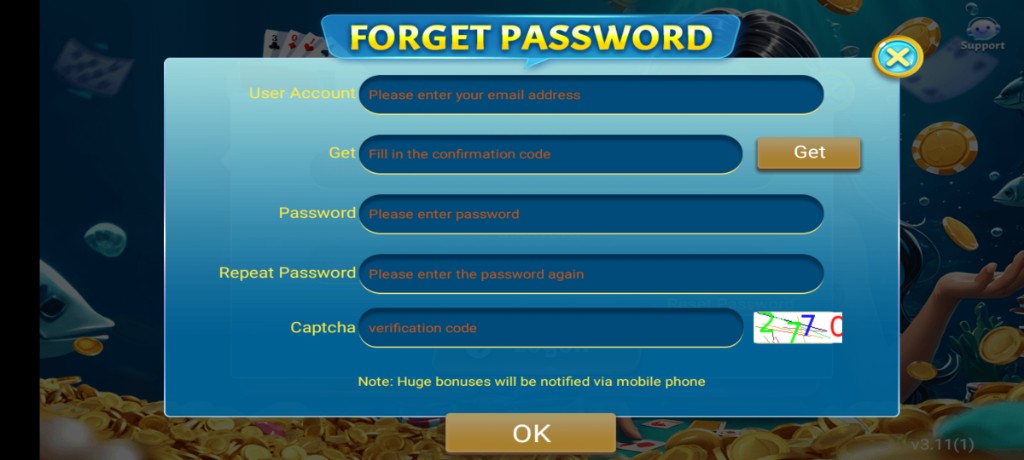
These are real app UI screenshots to make each step easier to follow. Balances and events can change, so always match what you see in your installed version.


Frequently Asked Questions
What does “play like a pro” mean here?
It means clearer decisions and better pacing — not guaranteed wins.
Where should beginners start in the lobby?
Start with lower-pressure tables and short sessions while you learn controls.
Do I need every game mode on day one?
No. Learn one mode well before exploring the whole lobby grid.
How long should early sessions be?
20–40 minutes is enough for most beginners.
What if my connection is unstable?
Avoid high-pressure pots during spikes. Prefer Wi‑Fi for focused sessions.
Which pages should I read with this one?
Read the rules pages next, then tips for habits.
Conclusion
Once lobby flow feels familiar, revise rankings on the rules page.
Next step: 3 Patti Pearl Rules Every New Player Should Know.