
Introduction
Rules literacy is the difference between pressing buttons and understanding why a hand felt expensive. This page covers Teen Patti-style terms and rankings as they commonly apply in 3 Patti Pearl, plus the habit of reading on-screen table information before you join. Labels can vary by update, so focus on meanings: pack, chaal, show, and hand classes. Nothing here guarantees profit, and nothing invents private-table or boot-selector features your installed build does not show.
Beginners often memorize animations before rankings. That order is backwards. Spend a short sitting on trail, pure sequence, sequence, color, pair, and high card. Once those classes are stable in memory, timing decisions become easier to discuss. Rules improve understanding. They do not convert entertainment into a salary.
If a mode presents special constraints, the lobby or table info panel in your version is the authority. Social media screenshots from other apps are weak substitutes. Learn the language once, then re-check mode text when you try something new.
Core Terms
- Hand ranking: which three-card pattern beats another
- Pack: fold and exit the hand
- Chaal: continue with the stake action on your turn
- Show: comparison when the rules of the mode allow it
- Seen / Blind style choices where the mode offers them — information has a cost
- Pot pressure: how much continuing asks of your stack relative to what you know
You do not need slang fluency to play calmly. You need reliable meanings. When a button label differs from a blog screenshot, trust the in-app wording and the outcome it describes. If you are unsure whether a comparison is available yet, do not invent a rule from another Teen Patti product.
Ranking Memory
Use a plain ladder. Trail (three of a kind) sits at the top of common teaching orders. Pure sequence combines consecutive ranks with the same suit. Sequence is consecutive ranks without that suit unity. Color is same suit without sequence. Pair is two matching ranks. High card is the fallback when no combination forms. Kickers and comparisons matter inside classes — especially for pairs and high-card battles.
| Pattern | Plain meaning | Beginner note |
|---|---|---|
| Trail | Three of a kind | Usually very strong |
| Pure sequence | Consecutive + same suit | Strong sequential hand |
| Sequence | Consecutive ranks | Compare carefully against other sequences |
| Color | Same suit | High cards inside the suit matter |
| Pair | Two matching ranks | Kicker quality matters |
| High card | No combination | Discipline matters more than hope |
A Short Memory Drill
- Write the six classes in order from memory
- Explain each class aloud in one sentence
- Quiz yourself with three imaginary hands
- Only then open a low-pressure table
- After the session, note one ranking mistake you made
Read Table Info First
Before joining, read the information your lobby actually presents: entry conditions, pace cues, and any mode notes. Do not assume a private table toolkit or a dedicated boot selector simply because another website mentions them. If your build does not show a control, it is not part of your rules toolkit. Playing the real UI beats chasing rumored UI.
Mode variants can change pacing and comparison timing. A rules foundation still helps because ranking order remains the shared language. When something feels “different,” pause and read rather than forcing habits from classic home games that may not match the digital mode.
Rules clarify decisions. They do not promise 100% wins, hacks, or guaranteed earnings.
Decision Meanings in Practice
Packing weak high-card hands under rising pressure is often correct entertainment strategy even when pride disagrees. Chaaling with medium strength needs a reason beyond inertia. Showdowns should be intentional when available, not automatic. Blind and seen paths, where offered, trade information and cost — skim the prompt each time until it feels natural.
| Action idea | Healthy use | Unhealthy use |
|---|---|---|
| Pack | Exit weak spots early | Never pack because of ego |
| Chaal | Continue with a plan | Continue from boredom |
| Show | Compare when justified | Force compares to “get it over with” |
| Observe rankings | Before fancy bluffs | Skip rankings and bluff anyway |
Common Rules Mistakes
Rules mistakes are not the same as tips mistakes. Here people invert sequence and color, treat pair as nearly trail, ignore kickers, and import house rules from physical gatherings that the app mode does not use. They also hunt for private-table lore instead of reading the lobby card in front of them.
- Confusing color with pure sequence
- Overvaluing weak pairs in heavy pressure
- Memorizing buttons before the ranking ladder
- Assuming every Teen Patti app shares identical mode rules
- Believing rules knowledge creates guaranteed profit
Suggested Study Order
- Memorize the ranking ladder
- Practice naming hands quickly
- Learn pack and chaal as cost decisions
- Re-read mode info when you try a new tile
- Add pacing tips only after rankings feel stable
With that order, you reduce expensive misunderstandings. Move next to practical tips for session limits and tilt. Keep expectations adult: better rules knowledge improves clarity; chance remains part of every deal.
Kicker Awareness Inside Classes
Beginners memorize the ladder but forget kickers. Two players with the same pair do not automatically tie — the third card often decides. High-card battles likewise compare top cards sequentially. When you feel uncertain inside a class, assume the opponent might win the kicker war and pack unless the pot price is trivial. Kicker literacy prevents the slow bleed of calling with the second-best pair.
Pure sequence versus sequence disputes appear rarely in beginner play but cause loud arguments when they do. Trust the in-app comparison result after you learn definitions. Arguing in chat wastes focus and invites tilt. If the UI labels a hand differently than your home-game slang, adopt the app vocabulary for digital play.
Side Show and Comparison Language
Some modes expose show or side-show style actions with specific timing rules. Read the prompt each time rather than assuming home-game customs. Forcing comparison without a plan is how beginners donate stacks to patient opponents. Comparison should answer a question you can state: “I believe my class beats what their pressure represents.”
- Know whether you have seen your cards before comparing
- Do not compare out of boredom
- Pack when comparison is optional and your hand is marginal
- Re-read mode notes when a new table type appears
Rules Discipline at the Table
Rules discipline means narrating your hand class silently before acting. If you cannot name it, you are not ready to chaal aggressively. This sounds slow; speed returns naturally once naming is automatic. Players who skip naming rely on animation mood, which is expensive.
| Hand feel | Likely class | Default beginner action |
|---|---|---|
| Three matching ranks | Trail or three of a kind | Strong; proceed with plan |
| Consecutive same suit | Pure sequence | Strong; still watch pot price |
| Consecutive mixed suits | Sequence | Careful; compare context |
| Same suit no run | Color | Moderate; do not overcommit |
| Two matching ranks | Pair | Caution; kicker matters |
| Nothing obvious | High card | Pack more often under pressure |
Home-Game Drift Versus App Rules
Physical gatherings sometimes use local variants: different ace rules, different blind customs, or social agreements that the digital mode ignores. When home-game drift appears, trust the on-screen outcome. Complaining that “we never play like this at weddings” does not change the digital rule set. Adapt or choose a different mode if your build offers one.
Rules mastery reduces expensive surprises. It does not remove variance or create guaranteed profit.
Comparison Basics Without Ego
When a showdown happens, compare classes first, then quality inside the class. Players who skip class comparison invent drama: a weak pair suddenly feels like destiny against a color because the animation was exciting. Slow the mental order. Class ladder first. Detail second. Ego last — preferably never.
If you lose a showdown you misread, write the two hands down after the session. Reconstruction teaches faster than vague frustration. Do not immediately jump to a higher-pressure table to “win the feeling back.” Rules study and emotional recovery are different tools; use the right one.
| Compare step | Question | Example focus |
|---|---|---|
| 1. Class | Which pattern category wins? | Trail vs sequence |
| 2. Strength in class | Which sequence/color/pair is better? | Top ranks and suits as rules dictate |
| 3. Context | Was continuing wise before show? | Pot ask vs information |
Mode Variance and Honest Limits
Digital lobbies may include variants that change pacing, visibility, or comparison timing. Your obligation is to read the mode card, not to force classic home-game customs onto every tile. If a friend insists a rule is universal across all Teen Patti apps, smile and verify inside Pearl anyway. Universals are rarer than group chats claim.
- Re-read mode info after updates
- Ask what differs: pace, visibility, or comparison timing
- Do not invent private-table controls that are not on screen
- Keep ranking memory as your portable foundation
Teaching Others the Ladder
If you explain Pearl to a cousin or friend, teach the ladder before slang. Use plain English sentences. Avoid humiliating quizzes at a live table; use a calm pre-session drill. Good teaching reduces reckless calls in your shared sessions and keeps entertainment kinder. Leave hack folklore out of the lesson plan.
- List the six classes in order
- Give one example hand each
- Explain pack as a normal tool
- Open a low-pressure table only after the quiz feels easy
Myths About Rules
Common myths say that knowing rankings guarantees profit, that VIP changes hand order, or that a secret boot ritual exists on every Pakistani Teen Patti APK page. Discard those. Rankings reduce misunderstanding. They do not delete variance. Promo systems and loyalty layers are not secret rule rewrites. If someone sells a PDF of “hidden Pearl rules for unlimited money,” you already know enough to walk away.
This rules page refuses private-table and boot-selector storytelling. Use the lobby information your installed version actually displays.
Short Reference Card You Can Recreate
Create a personal note with the ladder and three reminders: pack early when lost, read table info, ignore guaranteed-profit myths. Keep it outside the app so you can review on the bus without opening a session. When the note becomes unnecessary because memory is solid, you have graduated from rules kindergarten — quietly, without a fake certificate of earnings.
Return to how-to-play for pacing drills and to tips for limits. Rules remain the vocabulary layer. Vocabulary does not replace judgment, and judgment does not replace chance. Holding all three ideas at once is the adult way to enjoy a card lobby.
Suit and Rank Fluency
Before you debate advanced edge cases, make sure you can read ranks quickly on a phone screen. Misreading a ten as a face card under glare is a rules problem in practice even when theory is fine. Practice with the phone at your typical play brightness. If suits are hard to distinguish on an older panel, slow down rather than trusting a glance during pressure.
Say ranks in English or whatever language you think in — consistency matters more than which language. The goal is zero hesitation when classifying a hand into the ladder. Hesitation during classification leads to delayed taps and accidental choices. Fluency is underrated compared with flashy strategy talk.
- Practice identifying suits at your real brightness
- Name ranks without squinting races
- Classify ten sample hands offline
- Only then add timing pressure at tables
Pack as Literacy
Packing is a rules action with a meaning: you are out. Beginners treat it like shame. Reframe it as literacy. You understood the hand class, understood the ask, and chose not to continue. That is rules applied. Tables full of players who never pack are not “brave”; they are often just expensive. Celebrate clean packs in your journal the same way you celebrate clean reads.
| Situation | Rules-informed instinct | Ego instinct |
|---|---|---|
| Weak high card, rising ask | Pack | Continue hoping |
| Uncertain class read | Slow down / pack if needed | Tap fast to hide confusion |
| Lost showdown misread | Review ladder later | Immediate revenge table |
House Customs vs Digital Modes
Family living-room Teen Patti customs may include side bets or pacing norms the app does not use. Do not import them blindly. Digital modes publish their own constraints. If a custom contradicts the on-screen text, the screen wins inside the app. Arguments that begin with “but at home we always…” belong at home, not as a reason to ignore lobby information.
This distinction also protects you from rumor features. If a website insists every serious player uses a special boot ritual or private room panel, and your build simply does not show those controls, you are not missing a secret rank of play — you are avoiding fiction. Play the product in your hands.
Screenshots
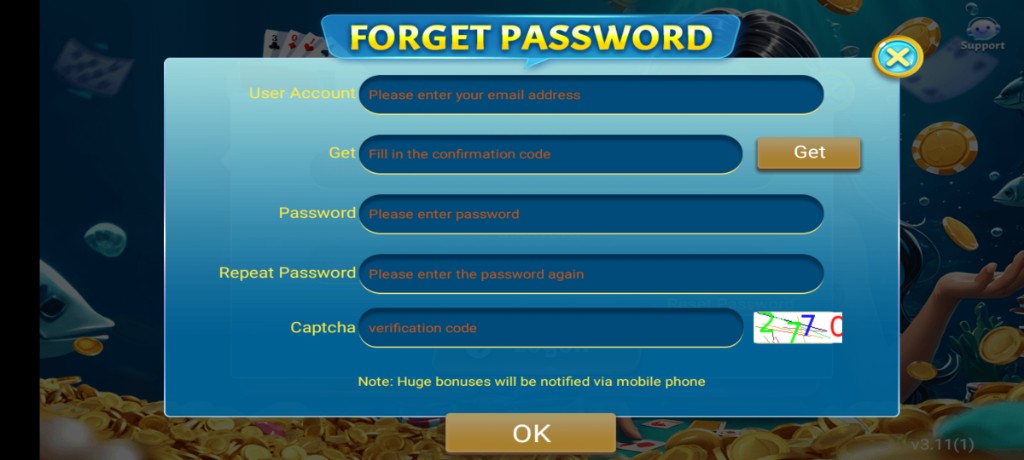
These are real app UI screenshots to make each step easier to follow. Balances and events can change, so always match what you see in your installed version.

Frequently Asked Questions
Do exact button labels always match every version?
Labels can vary by update. Focus on the action meaning: pack, chaal, show, and ranking.
What is the most important beginner rule habit?
Learn hand rankings before fancy bluffs.
Are house rules the same everywhere?
Lobby modes can differ. Read on-screen info before joining.
Does knowing rules guarantee profit?
No. Rules improve understanding. Outcomes still vary.
Should I memorize everything in one night?
No. Learn ranking first, then timing and pack discipline.
Where do I practice after reading rules?
Use the how-to-play pages and short beginner-friendly sessions.
Conclusion
With rankings clear, use the tips page for pacing and limits.
Next step: Best 3 Patti Pearl Tips to Improve Your Gameplay.